

Description
What is Glutathione?
Glutathione (GSH) is a tripeptide of γ‑glutamyl‑cysteinyl‑glycine and is the most abundant intracellular thiol antioxidant in mammalian cells (millimolar concentrations in hepatocytes). It is a cofactor for glutathione peroxidase, glutathione S‑transferase, and glutaredoxin enzyme systems, central to detoxification of xenobiotics and reactive oxygen species.
Mechanism of Action
- Direct scavenger of hydrogen peroxide and peroxynitrite via glutathione peroxidase
- Cofactor for Phase II conjugative detoxification via glutathione S‑transferase
- Regenerates oxidized vitamin C and vitamin E (recycling of other antioxidants)
- Modulates redox‑sensitive transcription factors (NF‑κB, AP‑1, Nrf2 feedback)
- Oral GSH is largely degraded in the GI tract; parenteral or liposomal formulations are typically used in research to raise systemic GSH
Compound Properties
- Sequence: γ‑Glu‑Cys‑Gly (GSH)
- Molecular formula: C10H17N3O6S
- Molecular weight: 307.32 g/mol
- CAS: 70‑18‑8
- Form: Lyophilized powder (reduced GSH)
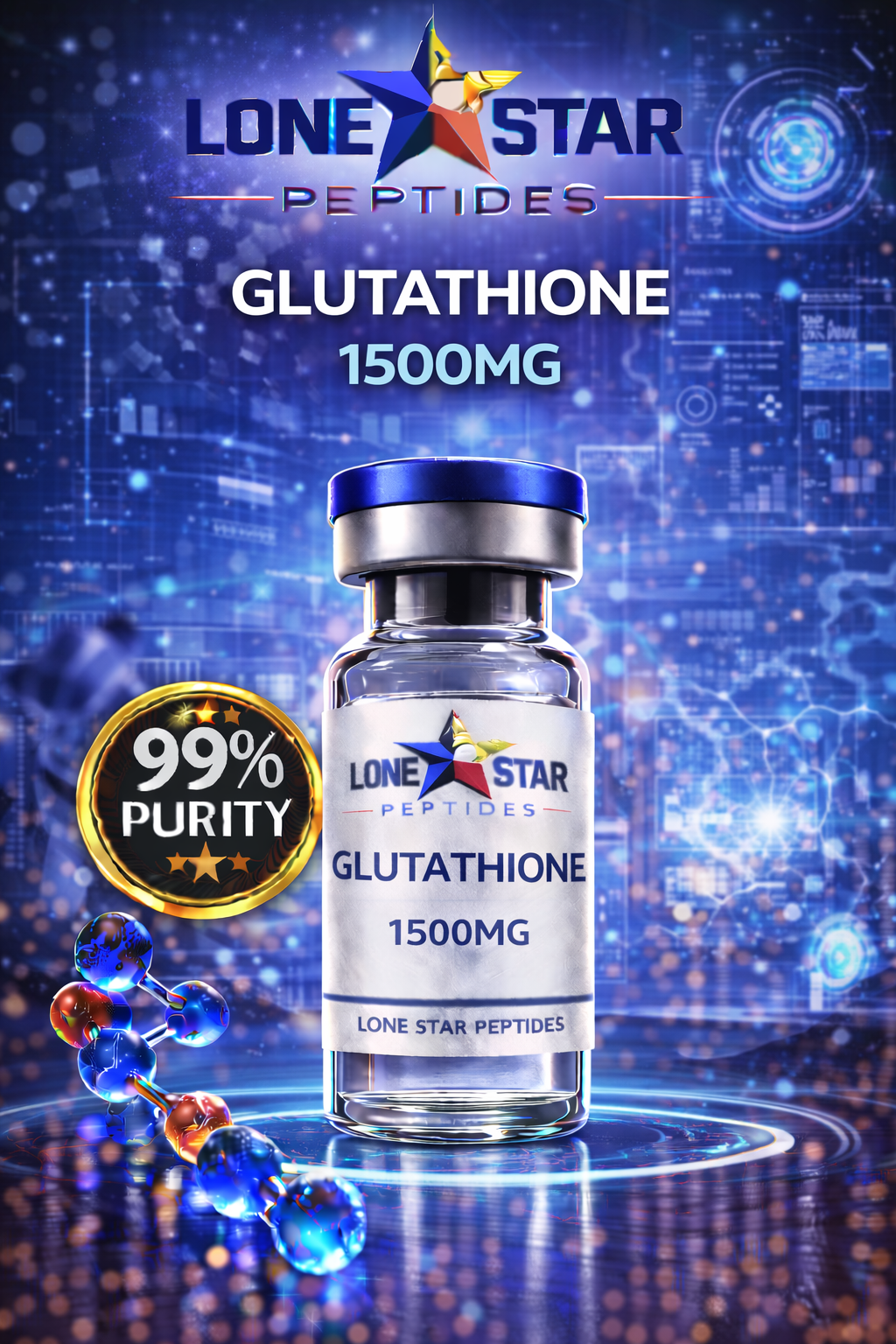
- Unit size: 1500 mg / vial
- Source: Fermentation‑derived; ≥98% purity by HPLC
Research‑Reference Dosing
Published research‑reference ranges in clinical literature:
- Sechi et al., Archives of Neurology (1996): IV glutathione in Parkinson disease (pilot cohort).
- Mischley et al., Movement Disorders (2015, 2017): intranasal glutathione in Parkinson disease.
- Witschi et al., European Journal of Clinical Pharmacology (1992): oral glutathione bioavailability studies.
- IV and inhalation formulations dominate clinical use; oral bioavailability is poor.
Research Findings
- Reduced UPDRS motor scores in small IV and intranasal GSH cohorts (Sechi, Mischley)
- Reduction in oxidative stress markers in chronic liver disease and cystic fibrosis research
- Meta‑analytic evidence for neurodegenerative indications remains preliminary
Known Side Effects Reported in Research/Trials
- Injection‑site reactions (parenteral)
- Sulfurous smell/taste, transient headache
- Rare bronchospasm with inhaled formulations
- Very well tolerated across clinical exposure; one of the safer research compounds
Storage & Handling
- Lyophilized (unreconstituted) vials: store at −20°C long‑term; short‑term 2–8°C acceptable.
- After reconstitution with bacteriostatic or sterile water: store at 2–8°C; use within 14–28 days per standard peptide stability guidance.
- Protect from light, heat, and repeated freeze‑thaw cycles. Handle in a sterile laboratory environment.
Certificate of Analysis
A Certificate of Analysis (COA) confirming identity and purity by HPLC / MS is available upon request. Contact Lonestar Peptides for lot‑specific documentation.
Summaries reference peer‑reviewed preclinical and clinical literature available as of early 2025. Newer findings may not be reflected. Researchers should consult current literature and conduct their own due diligence. Lonestar Peptides makes no claim of therapeutic benefit.