

Description
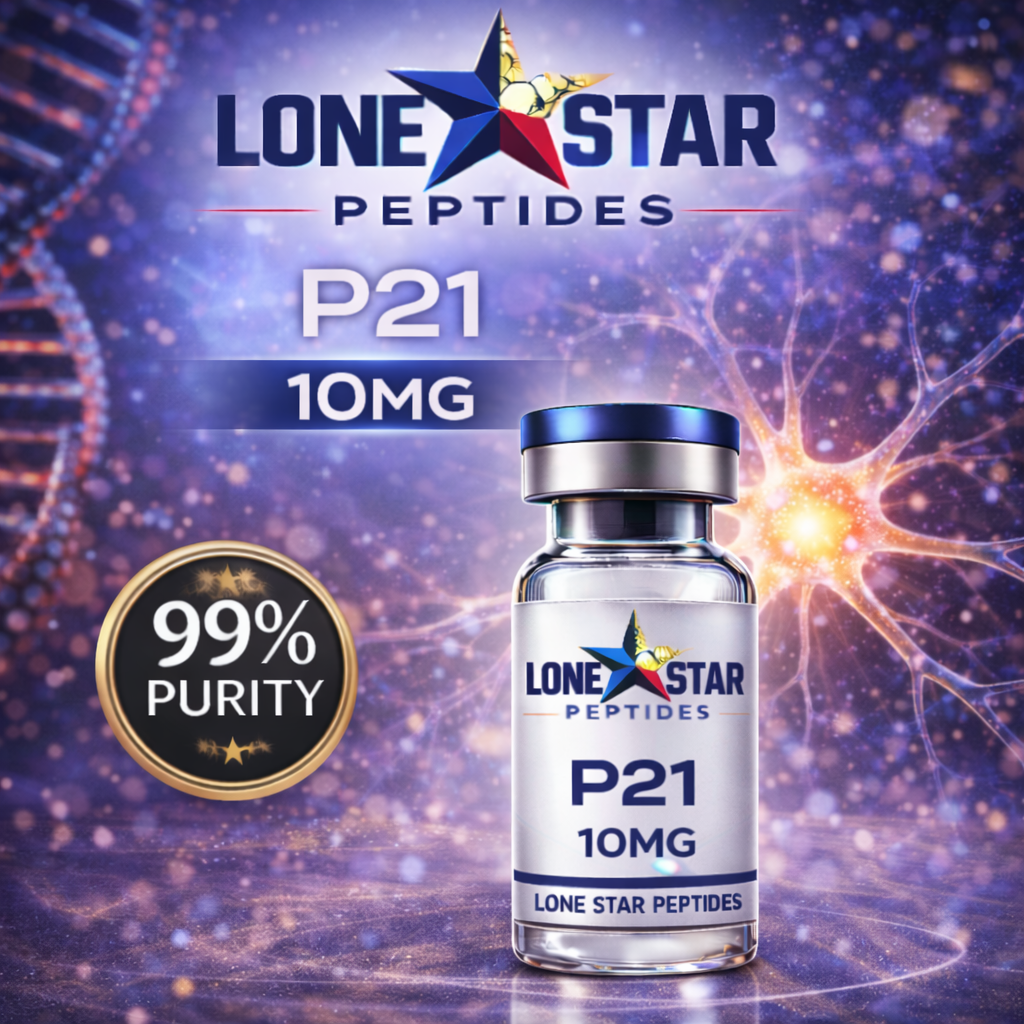
What is P21 (P021)?
P21 (also written P021) is an 11‑amino‑acid peptide derivative of the active region of ciliary neurotrophic factor (CNTF). It was engineered at the New York State Institute for Basic Research (Khalid Iqbal lab) with adamantane and acetate modifications to improve metabolic stability and blood‑brain‑barrier penetration. Preclinical studies have shown it promotes hippocampal neurogenesis and rescues cognitive deficits in Alzheimer mouse models.
Mechanism of Action
- Binds leukemia‑inhibitory‑factor receptor (LIFR)/gp130 complex, mimicking CNTF trophic signaling without the adverse immunogenicity of full‑length CNTF
- Upregulates BDNF and inhibits leukemia‑inhibitory factor in CNS
- Promotes adult hippocampal neurogenesis in rodent models
- Inhibits abnormal hyperphosphorylation of tau in AD transgenic mouse models
Compound Properties
- Sequence (11‑aa parent): Ac‑DGGLAG‑X‑(adamantane‑modified)
- Molecular weight: ~1250 g/mol (approximate for modified peptide)
- Form: Lyophilized powder
- Unit size: 10 mg / vial
- Source: Solid‑phase peptide synthesis; ≥98% purity by HPLC
Research‑Reference Dosing
Published research‑reference ranges in preclinical literature:
- Bolognin et al., Neurobiology of Aging (2014): P021 improved cognition and reduced AD pathology in 3xTg‑AD mice at oral doses of 40 mg/kg/day.
- Kazim et al., Journal of Alzheimer’s Disease (2014, 2017): neurogenesis and tau‑pathology reduction in AD mouse models.
- No published human clinical trial data is available.
Research Findings
- Restored adult hippocampal neurogenesis and rescued memory deficits in AD transgenic mice (Bolognin 2014)
- Reduced tau hyperphosphorylation in tauopathy models (Kazim 2017)
- Has not progressed through formal clinical development as of early 2025
Known Side Effects Reported in Research/Trials
- Generally well tolerated in long‑term rodent studies
- No human safety data in peer‑reviewed literature
- CNTF‑class agents have historically caused cachexia and neuropathy signals in early clinical programs; whether these translate to P21 is unknown
- Long‑term human safety is uncharacterized
Storage & Handling
- Lyophilized (unreconstituted) vials: store at −20°C long‑term; short‑term 2–8°C acceptable.
- After reconstitution with bacteriostatic or sterile water: store at 2–8°C; use within 14–28 days per standard peptide stability guidance.
- Protect from light, heat, and repeated freeze‑thaw cycles. Handle in a sterile laboratory environment.
Certificate of Analysis
A Certificate of Analysis (COA) confirming identity and purity by HPLC / MS is available upon request. Contact Lonestar Peptides for lot‑specific documentation.
Summaries reference peer‑reviewed preclinical and clinical literature available as of early 2025. Newer findings may not be reflected. Researchers should consult current literature and conduct their own due diligence. Lonestar Peptides makes no claim of therapeutic benefit.