

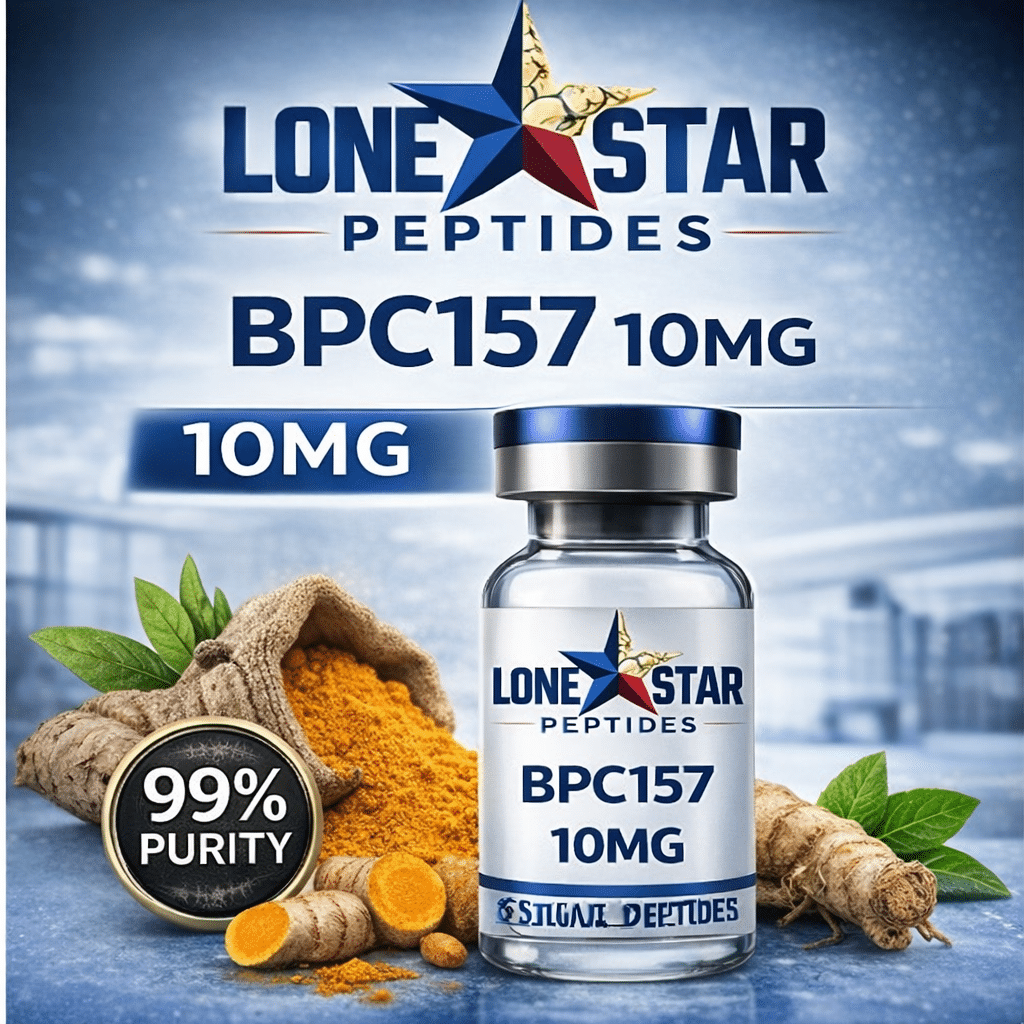
Description
What is BPC-157?
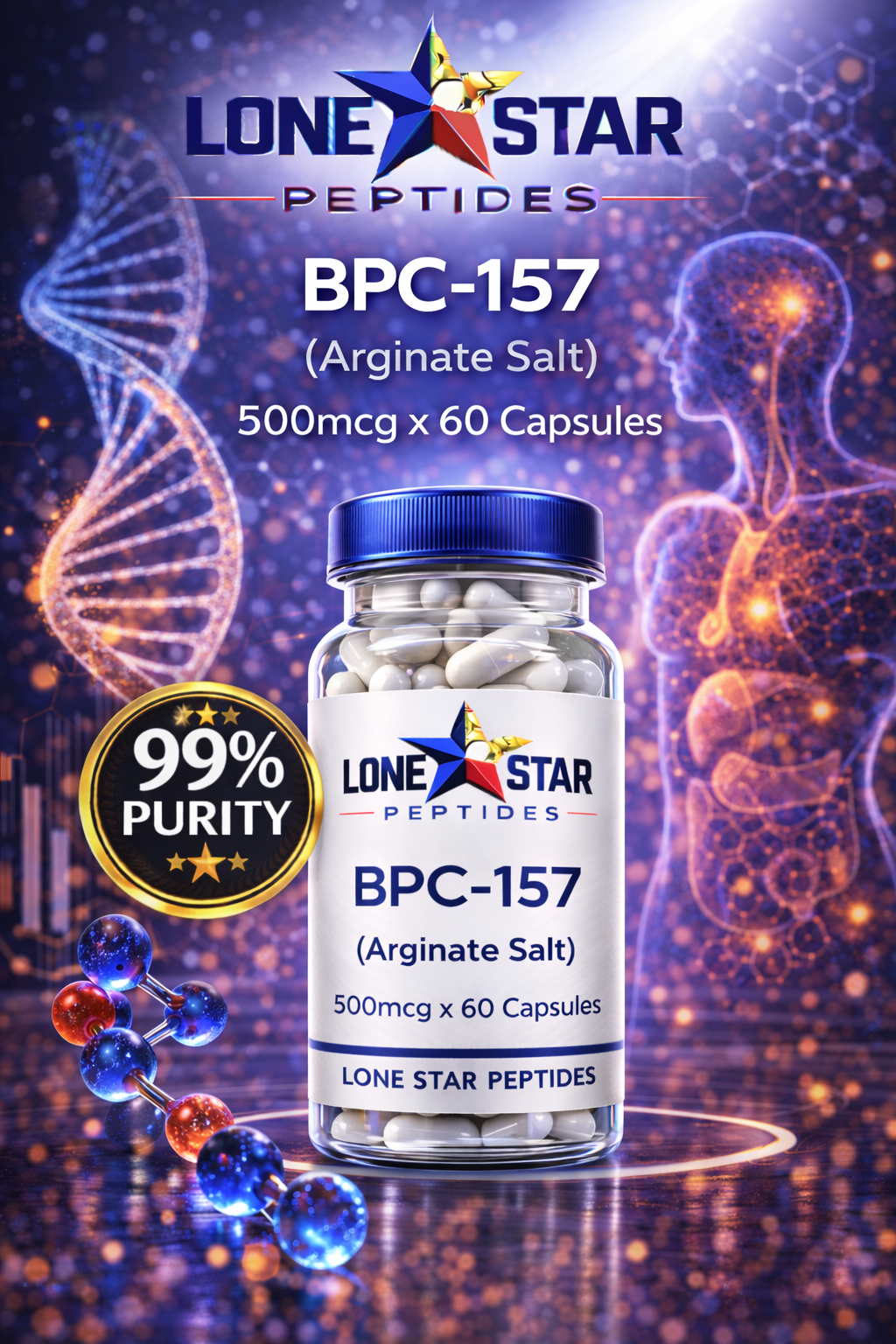
Body Protection Compound-157 (BPC-157) is a synthetic 15–amino acid fragment derived from a protein originally isolated from human gastric juice. Over the past two decades it has become one of the most widely studied “cytoprotective” peptides in preclinical research, with published models exploring its effects on tendon, ligament, muscle, neural, and gastrointestinal tissue repair.
Mechanism of Action (Preclinical)
- Upregulation of growth hormone receptor expression in fibroblasts (Chang et al., 2011)
- Modulation of the nitric oxide (NO) system and VEGFR2 pathway, linked to angiogenic repair in rodent wound models (Sikiric et al., 2018)
- Interaction with the dopaminergic and serotonergic systems in CNS injury models
Compound Properties
- Sequence: Gly-Glu-Pro-Pro-Pro-Gly-Lys-Pro-Ala-Asp-Asp-Ala-Gly-Leu-Val
- Molecular formula: C62H98N16O22
- Molecular weight: 1419.5 g/mol
- CAS number: 137525-51-0
- Form: Aqueous nasal spray solution
- Concentration: 10mg/10ml (1mg/ml)
- Source reference: PubChem CID 9941957
Research-Reference Dosing
The following dosages reflect protocols reported in published preclinical literature. They are provided for research reference only; no human therapeutic dose has been established by any regulatory body.
- Rodent systemic models: 10 µg/kg – 10 ng/kg intraperitoneal or intragastric (Sikiric et al., multiple studies 1993–2020)
- Rodent intranasal CNS models: ~4 µg/kg per dose in rat models of TBI and stroke recovery (Vukojevic et al., 2020)
- No validated human dose exists. All published human-use reports are anecdotal and outside regulatory approval.
Research Findings (Preclinical)
- Accelerated tendon-to-bone healing in rat Achilles transection models
- Reduced ulceration and improved mucosal healing in GI injury models
- Neuroprotective effects in rodent models of traumatic brain injury
- Improved vascular recovery in ischemia/reperfusion studies
Known Side Effects Reported in Research
Preclinical toxicity studies in rodents have reported a wide safety margin with no consistent adverse findings at researched doses. Human safety data is effectively absent. Reported effects in limited human case series and anecdotal reports include mild injection-site irritation (parenteral routes) and transient dizziness (nasal route). No controlled human safety data exists.
Storage & Handling
Store refrigerated at 2–8°C. Protect from light. Avoid freezing the reconstituted nasal solution. Handle only with appropriate PPE in a controlled laboratory setting.
Certificate of Analysis
A product-specific Certificate of Analysis (CoA) is available upon request for every lot.