


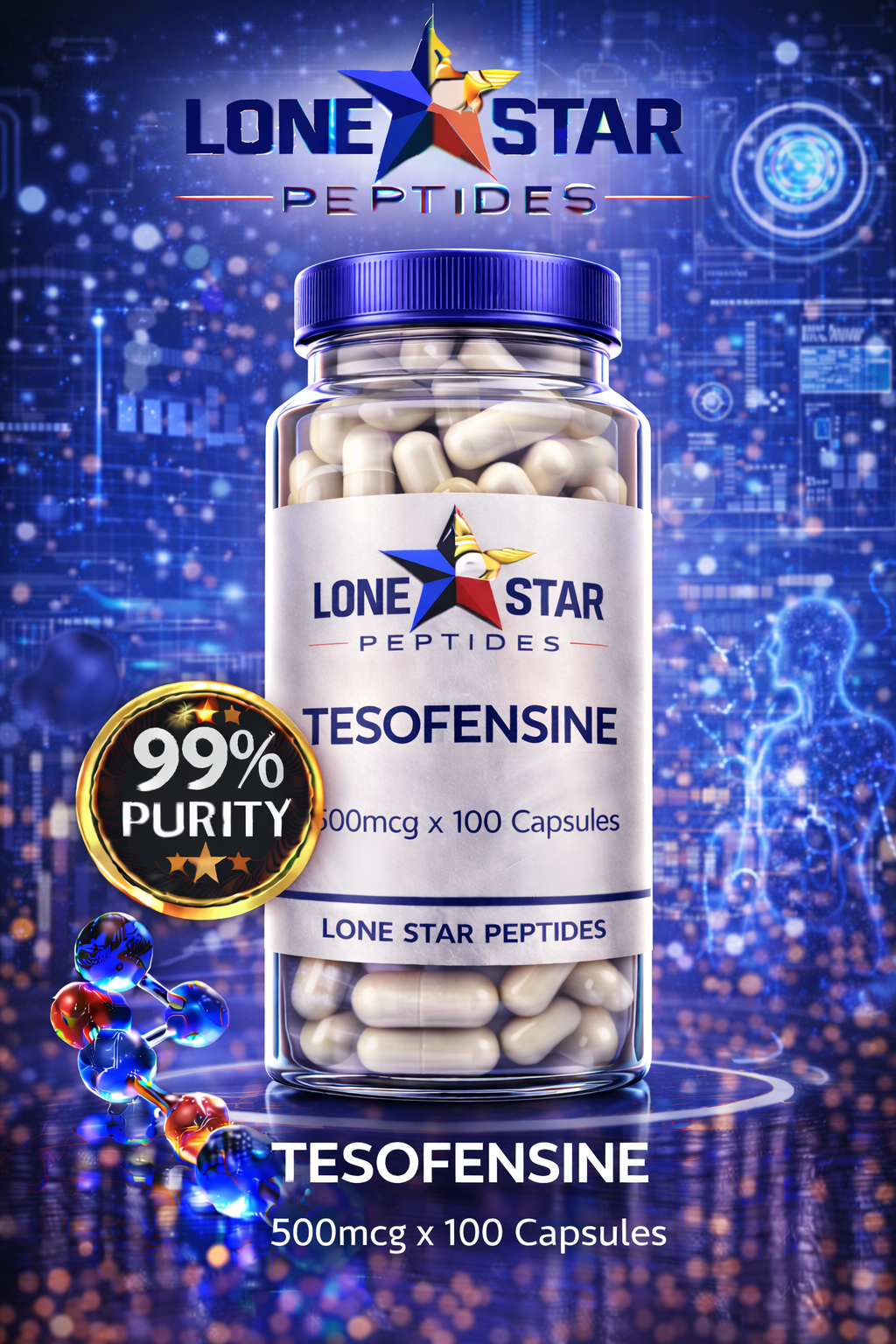
Description
RESEARCH USE ONLY — NOT FOR HUMAN CONSUMPTION. This product is sold exclusively for in vitro research and laboratory use by qualified professionals. It is not a drug, food, or cosmetic, and must not be administered to humans or animals. By purchasing, you agree to the site’s terms of use.
What is Tesofensine?
Tesofensine is a small-molecule (non-peptide) triple monoamine reuptake inhibitor originally developed for Parkinson’s disease and subsequently investigated for obesity. It inhibits the presynaptic reuptake of serotonin, dopamine, and norepinephrine, increasing synaptic availability of these neurotransmitters. Tesofensine has been evaluated in Phase 2 human clinical trials for obesity with the largest weight-loss effect sizes reported among monoamine modulators.
Mechanism of Action
- Dual/triple monoamine reuptake inhibition (noradrenaline, dopamine, serotonin)
- Centrally mediated appetite suppression and increased satiety
- Modest increase in resting energy expenditure observed in clinical studies
Compound Properties
- Chemical class: Small-molecule alkaloid (not a peptide)
- Molecular formula: C17H24Cl2N
- Molecular weight: ~328.3 g/mol (as HCl salt)
- CAS number: 402856-42-2 (base); 195875-84-4 (HCl)
- Form: Oral capsules, 500 mcg × 100 per bottle
- Source reference: PubChem CID 11370864
Research-Reference Dosing
Dosing from published Phase 2 trials. Provided for research reference only.
- Phase 2b obesity trial (24 wks): 0.25 mg, 0.5 mg, or 1.0 mg oral once daily (Astrup et al., Lancet 2008)
- Most commonly researched: 0.5 mg – 1.0 mg orally once daily
- No therapeutic dose has been approved by US or EU regulatory agencies.
Research Findings (Published Human Data)
- Phase 2b (24 wks): mean body-weight reductions of ~6.7% (0.25 mg), ~11.3% (0.5 mg), and ~12.8% (1.0 mg) beyond lifestyle intervention
- Reductions in waist circumference, fasting glucose, and triglycerides
- Preclinical data supports monoamine-driven appetite suppression as primary mechanism
Known Side Effects Reported in Trials
- Most common: dry mouth, insomnia, nausea, headache, constipation
- Cardiovascular: dose-dependent increases in heart rate (~7–8 bpm at 1.0 mg) and modest blood pressure elevations
- Neuropsychiatric: mood changes, anxiety, sleep disturbance reported at higher doses
- Regulatory note: cardiovascular safety signals contributed to the compound not advancing to Phase 3 in the US
Storage & Handling
Store capsules in a cool, dry place away from direct sunlight. Keep bottle tightly sealed.
Certificate of Analysis
A product-specific Certificate of Analysis (CoA) is available upon request for every lot.


Reviews
There are no reviews yet.