


Description
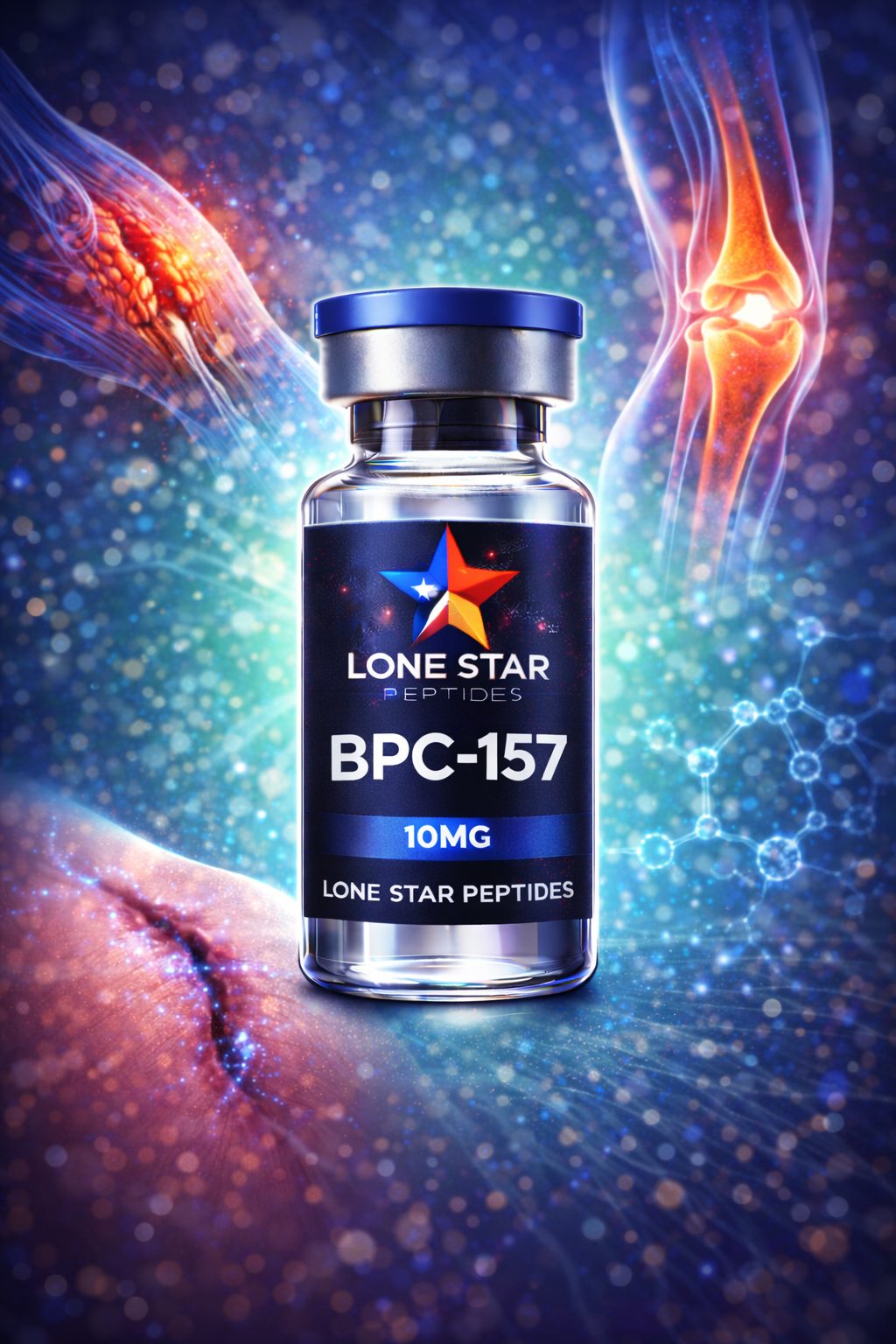
What is BPC-157?
BPC-157 (Body Protection Compound 157) is a synthetic pentadecapeptide derived from a protective protein found in human gastric juice. It is among the most-referenced tissue-repair peptides in preclinical research, with an extensive rodent literature describing effects on gut mucosal integrity, tendon and ligament healing, vascular function, and nervous-system injury models. Related products on this site: BPC-157 10mg/10ml (liquid / nasal), BPC-157 + TB-500 (20mg), and BPC-157 Arginate Salt capsules.
Mechanism of Action (Research Context)
Published preclinical work describes multiple overlapping mechanisms rather than a single receptor target:
- Angiogenesis & vascular repair: Upregulation of VEGFR2 and nitric oxide pathways supporting new blood vessel formation (Hsieh et al., J Mol Med, 2017; Sikiric et al., Curr Pharm Des, 2014).
- Growth factor modulation: Reported interactions with growth hormone receptor expression and FAK-paxillin signaling in tendon fibroblasts (Chang et al., J Appl Physiol, 2011).
- Nitric oxide system: Multiple rodent studies describe stabilization of the NO system in GI and cardiovascular stress models.
- Dopaminergic & serotonergic modulation: Neurobehavioral models suggest BPC-157 interacts with monoaminergic systems, relevant to CNS-injury research (Tohyama et al., J Physiol Paris, 2004).
Compound Properties
- Compound: BPC-157 (Body Protection Compound 157)
- Sequence: Gly-Glu-Pro-Pro-Pro-Gly-Lys-Pro-Ala-Asp-Asp-Ala-Gly-Leu-Val (15 amino acids)
- Molecular Formula: C62H98N16O22
- Molecular Weight: ~1419.5 g/mol
- CAS Number: 137525-51-0
- Form: Lyophilized (freeze-dried) white powder
- Unit Size: 10 mg per vial
- Purity: ≥98% (HPLC)
- Source: U.S.-based synthesis, third-party HPLC/MS tested
Research-Reference Dosing
Preclinical rodent studies have referenced a wide range of doses, typically 10 mcg/kg to 500 mcg/kg via IP, SC, or oral gavage routes (Sikiric et al., multiple publications, 1993-present). Research-reference human protocols commonly cited in the literature use 200-500 mcg/day SC, though no FDA-approved human dosing exists. Lyophilized material is typically reconstituted with bacteriostatic water for laboratory reference work. Dose selection, titration, and duration are determined by the qualified researcher based on the study design; this listing is not a dosing recommendation for human use.
Research Findings
- GI mucosal protection: Originally characterized in rat gastric-ulcer models (Sikiric et al., J Physiol Paris, 1993, and many follow-ups). Protective effects described across ethanol, NSAID, and stress ulcer models.
- Tendon and ligament repair: Rodent Achilles tendon transection models show accelerated collagen organization and tensile recovery (Staresinic et al., J Orthop Res, 2003; Chang et al., 2011).
- Bone / fracture healing: Rabbit and rat fracture models describe improved callus formation and mineralization.
- Nervous-system injury: Preclinical data on spinal cord injury, traumatic brain injury, and peripheral nerve models suggest functional recovery signals.
- Cardiovascular: Rodent models of doxorubicin cardiotoxicity, arrhythmia, and thrombosis show protective signals.
Important limitation: The overwhelming majority of BPC-157 efficacy evidence comes from rodent studies published by a single research group. Peer-reviewed controlled human efficacy trials have not been published. No FDA-approved human indication exists. Research beyond early 2025 is not reflected here.
Known Side Effects Reported in Research
- Rodent toxicity studies describe an exceptionally favorable acute toxicity profile with no established LD50 at tested doses.
- Human clinical safety database is limited; injection-site reactions (redness, mild irritation) are the most commonly referenced adverse signal anecdotally.
- Long-term safety, reproductive safety, and carcinogenicity are not well characterized in published literature.
- Regulatory status: BPC-157 is on the WADA prohibited list for athletic competition (S0: non-approved substances).
Storage & Handling
- Unopened lyophilized vial: store refrigerated at 2-8 °C; long-term storage at −20 °C recommended. Protect from light.
- After reconstitution: refrigerate at 2-8 °C; use within 14-28 days per standard peptide stability guidance.
- Do not freeze-thaw reconstituted material repeatedly.
Certificate of Analysis
Third-party HPLC and mass-spectrometry certificates are available on request for each production lot. Contact us with your order number for the COA matching your vial.
Reviews
There are no reviews yet.